
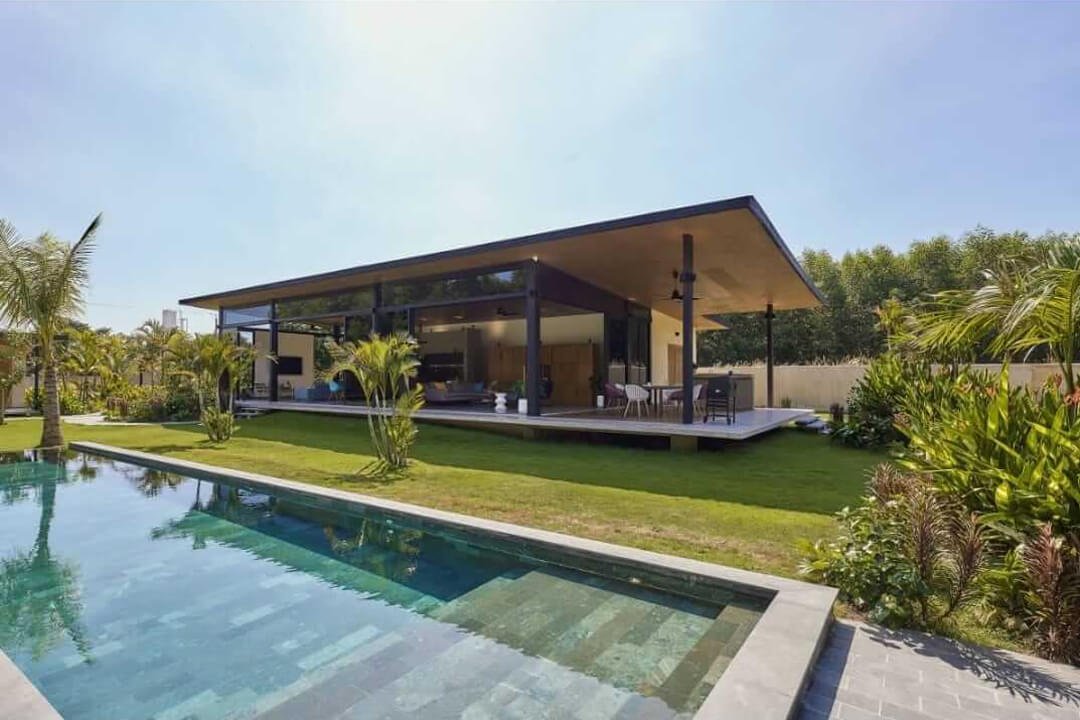
For many years, construction in Bali was largely evaluated on upfront cost. Fast execution and competitive pricing supported rapid development and made projects appear attractive on paper.
As the market matures, however, the focus is shifting. The key question today is no longer how cheaply a property can be built, but how well it performs over the full course of its intended life.
A successful handover is an important milestone, but it is not the true test of a building.
The real evaluation begins once the asset is in daily operation—hosting guests, running through multiple wet seasons, and being maintained by on-site teams. Over time, construction decisions directly affect maintenance costs, operational stability, guest experience, and ultimately, financial performance.
From an investor’s perspective, durability and reliability matter more than appearance on day one.
Whether a property is freehold or leasehold, construction quality should reflect the full economic life of the asset.
A 20-year lease is not a short-term investment. It represents decades of operation, maintenance, staffing, and guest turnover.
When assets are built to standards that do not align with this timeframe, risk is simply transferred downstream—into higher maintenance costs, accelerated aging, and reduced operational flexibility.
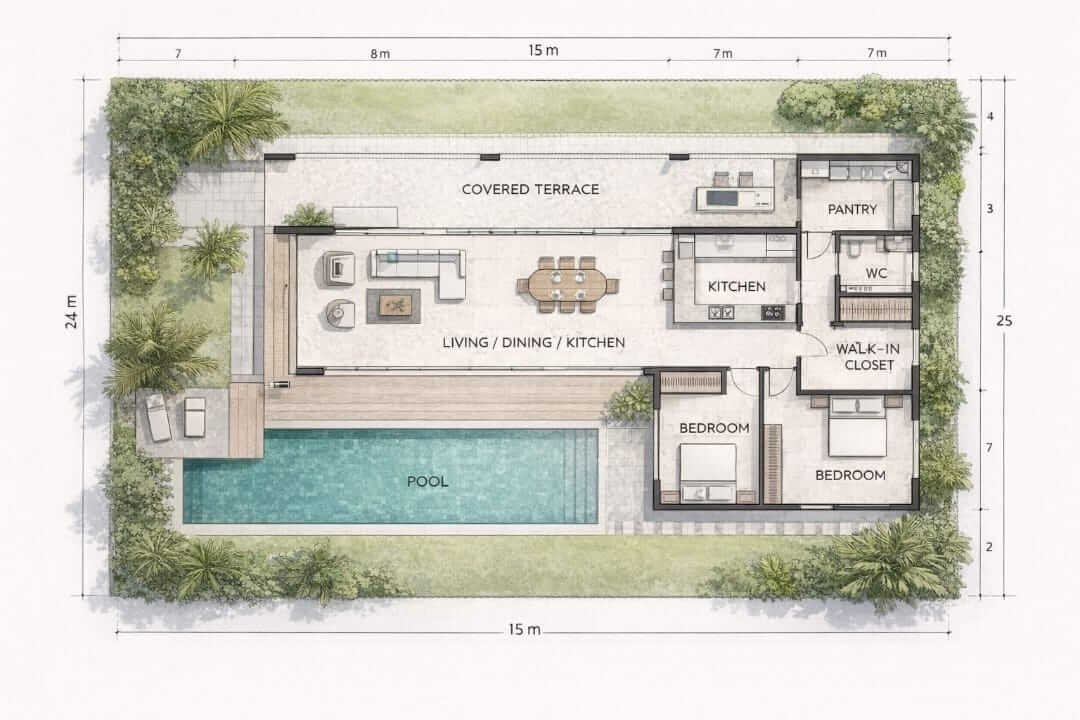
From an operator’s point of view, construction quality influences:
Building for longevity does not mean over-specification. It means clearer standards, appropriate materials, proper sequencing, and systems designed for real usage rather than ideal conditions.
The objective is durability and predictability—not excess.
Construction should not be judged only at handover.
Whether an asset is operated under a 10-year or 20-year horizon, its construction should reflect the full period it is expected to perform. Building with lifecycle thinking is not about spending more—it is about aligning execution with investment reality.